HVAC · the USA
Technicians follow the same inspection sequence on every furnace regardless of brand or age. Records are kept so future visits start with known history rather than repeating earlier steps.
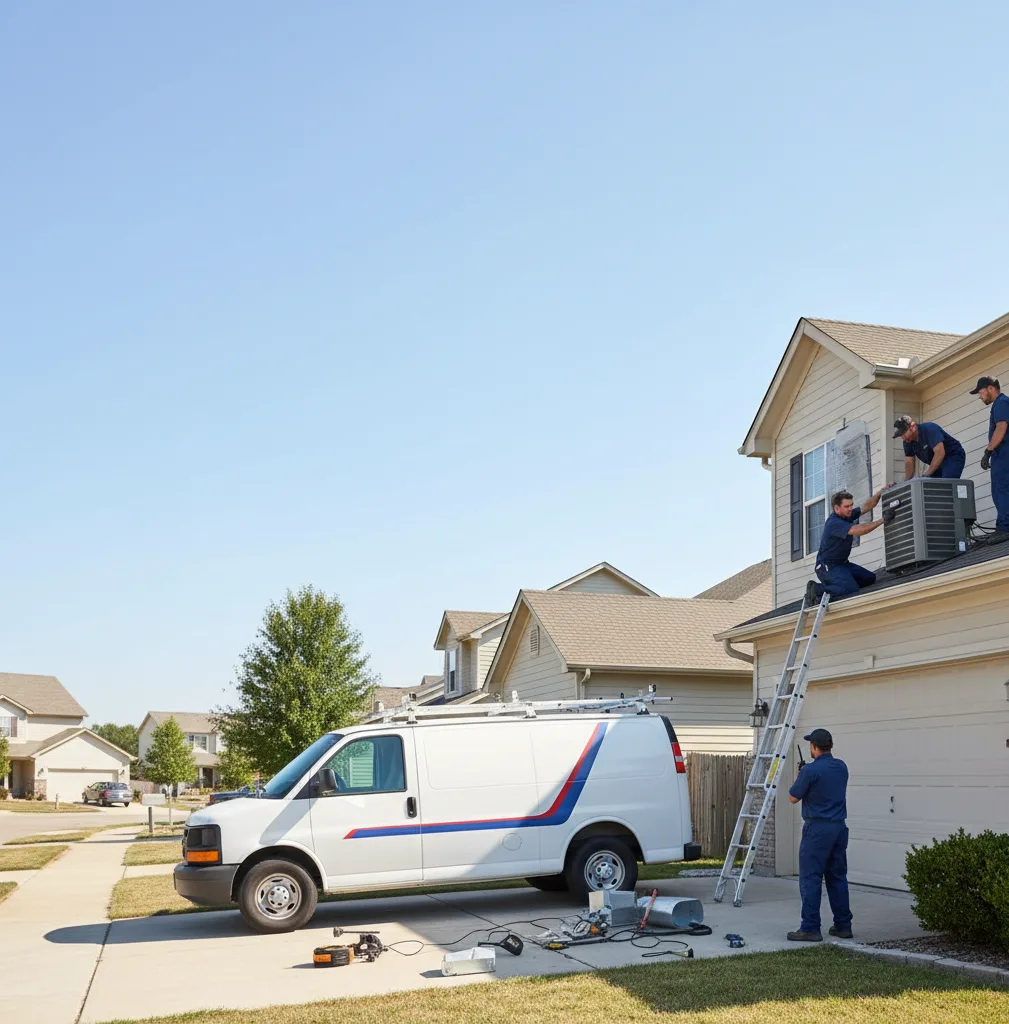
A furnace that runs without producing warmth usually points to a problem in the heat exchanger, igniter, or blower assembly. First confirm power reaches the unit and the thermostat is calling for heat. The technician then inspects the flame sensor and checks for error codes on the control board. Restricted airflow through a dirty filter or blocked vent often triggers safety shutoffs that mimic a mechanical failure. Once the root cause is identified, the repair focuses on restoring safe operation rather than simply resetting the system. Homeowners sometimes notice the furnace short-cycling before total failure occurs. Measuring temperature rise across the unit helps confirm whether the heat exchanger is transferring energy correctly. Replacing a single worn part without verifying the rest of the sequence can leave another weak point untouched.
Loose electrical connections inside the cabinet are frequent on older units where vibration loosens terminals over time. A failing capacitor prevents the blower motor from reaching proper speed even when the burner ignites. Cracked heat exchangers show up through unusual odors or visible gaps during inspection. Technicians also test the limit switches that shut the furnace down if temperatures exceed safe limits. These switches protect the system but can fail in the closed position and allow overheating. Checking gas pressure at the valve ensures the burner receives the correct fuel volume for clean combustion. Each of these checks follows a set order so nothing is overlooked before the unit is returned to service.
FAQ

Most filters slide out easily once you locate the return grille or furnace door. We can show you the correct size and direction during a visit so future changes are simple. If the system has been running with a clogged filter for a while we may still need to inspect the blower and coil.
Confirm the thermostat is set to heat and the fan switch is on auto. Check that the power switch near the furnace is on and look at the filter to see if it is blocked. These quick steps sometimes reveal a simple fix before a technician arrives.
Short cycling usually traces back to an oversized unit, a dirty filter, or a thermostat that is not reading the room temperature correctly. We check the temperature differential across the equipment and the placement of the thermostat to narrow it down. In some cases the limit switch is tripping early because of restricted airflow.