HVAC · the USA
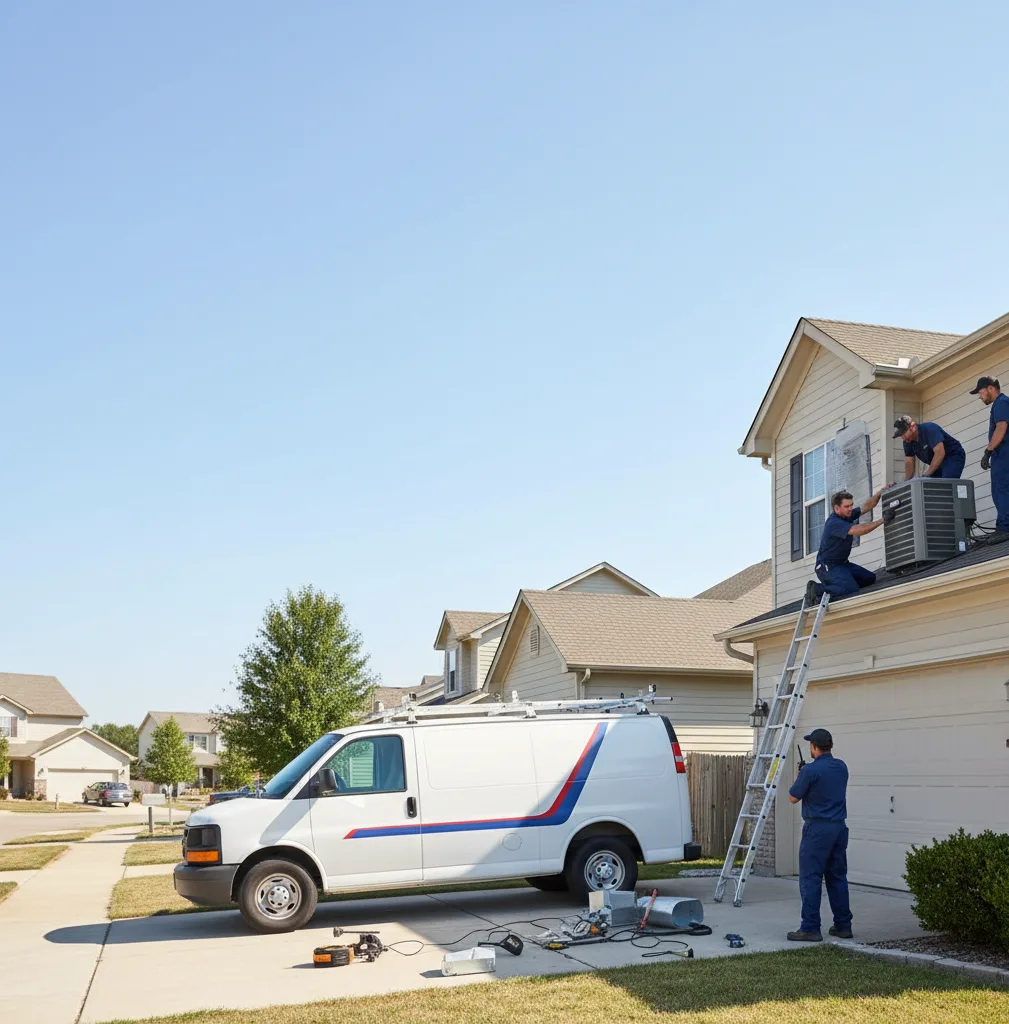
We focus on mapping the system first, then cleaning what we can reach without unnecessary disruption. The same crew handles the inspection and the cleaning so questions can be answered on site.
Dust gathers on vents shortly after cleaning, certain rooms feel stuffier than others, or you notice a musty smell when the system first starts. These clues often point to buildup inside the ductwork rather than a problem with the furnace or air handler itself. A visual check of the return grille can reveal gray streaks or loose particles that were not there a few months earlier. Homeowners sometimes discover the same fine coating on furniture near supply vents, especially during heavier heating or cooling seasons. When filters load up faster than usual it can also indicate that debris is breaking loose from the ducts and circulating again. Addressing these signs early keeps the rest of the system from working harder than necessary.
We start by mapping the layout so every accessible run receives attention. Portable brushes and vacuum equipment are then connected at the main trunk while registers are removed one section at a time. The goal is to loosen material without forcing it deeper into the system or into living spaces. Once the lines are clear we reinstall registers and check that dampers move freely. The process works on both flexible and rigid duct types, though older flexible runs sometimes require extra care to avoid tears. Homeowners are welcome to watch the camera footage before and after so they can see the difference in the lines that were treated.
FAQ

Most filters slide out easily once you locate the return grille or furnace door. We can show you the correct size and direction during a visit so future changes are simple. If the system has been running with a clogged filter for a while we may still need to inspect the blower and coil.
Confirm the thermostat is set to heat and the fan switch is on auto. Check that the power switch near the furnace is on and look at the filter to see if it is blocked. These quick steps sometimes reveal a simple fix before a technician arrives.
Short cycling usually traces back to an oversized unit, a dirty filter, or a thermostat that is not reading the room temperature correctly. We check the temperature differential across the equipment and the placement of the thermostat to narrow it down. In some cases the limit switch is tripping early because of restricted airflow.