HVAC · the USA
We focus on accurate diagnosis and proper part selection so repairs address the actual condition rather than symptoms alone, much like our AC Installation work. Every visit includes written notes on what was found and what was done, complementing services such as heating system repair and furnace repair.
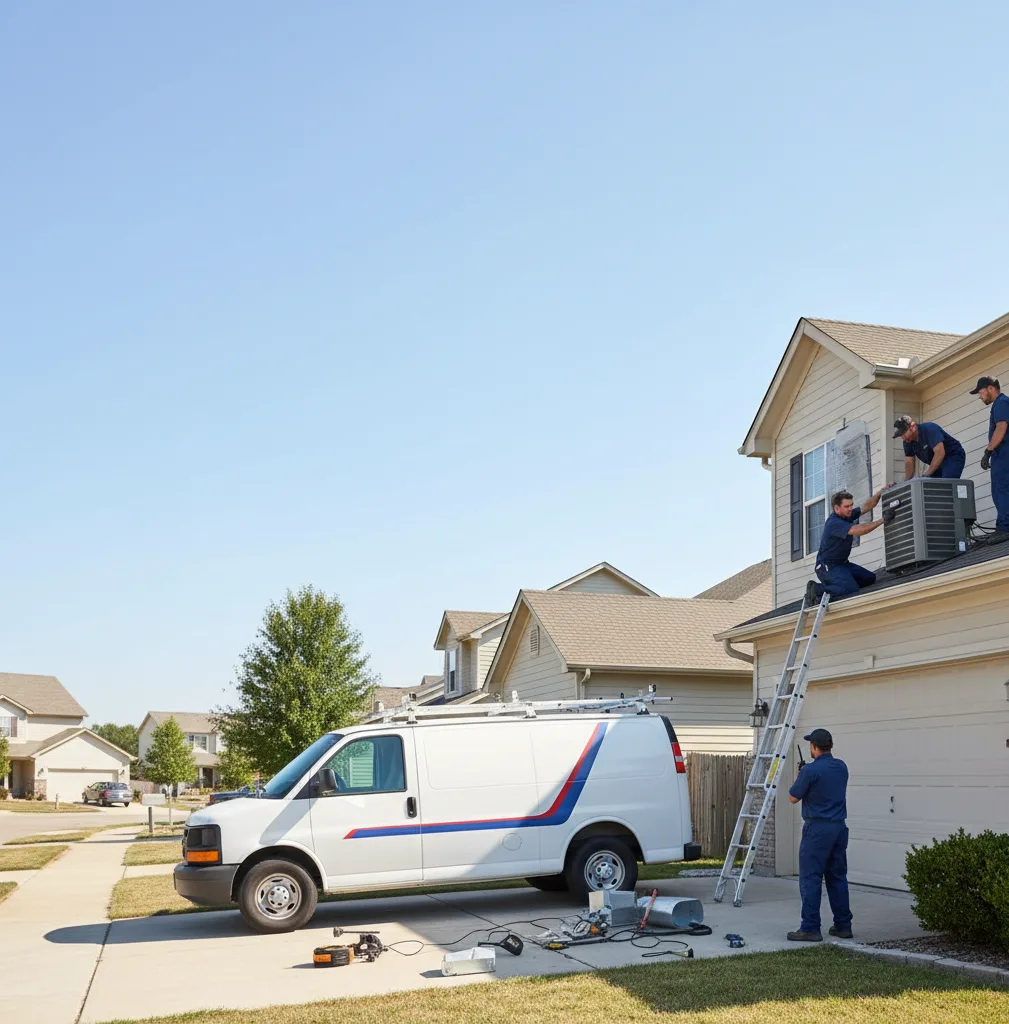
A homeowner often notices uneven temperatures first, followed by longer run times or unusual sounds from the outdoor unit. Our technicians start by checking thermostat settings and power supply, then move to the air handler to measure static pressure and filter condition. Refrigerant levels come next because low charge usually points to a leak rather than simple depletion. Coils get checked for dirt buildup that blocks heat transfer, and electrical terminals are tested for corrosion or loose connections that interrupt the compressor or fan motor. Once the root issue is identified, the repair focuses on restoring the original operating balance rather than swapping parts at random. This sequence keeps the work targeted and reduces the chance of repeat visits.
Capacitors weaken over time and prevent motors from starting reliably. Condenser fans can seize from bearing wear or debris, causing the compressor to overheat. Drainage lines clog with algae, leading to safety switch trips that shut the system down, often resolved with duct cleaning. In older units, contactors pit from repeated arcing and fail to engage the compressor circuit. Homeowners can often spot restricted airflow by feeling weak output at vents or noticing ice on the indoor coil, both signs that warrant a closer look rather than continued operation without proper HVAC Maintenance.
FAQ

Most filters slide out easily once you locate the return grille or furnace door. We can show you the correct size and direction during a visit so future changes are simple. If the system has been running with a clogged filter for a while we may still need to inspect the blower and coil.
Confirm the thermostat is set to heat and the fan switch is on auto. Check that the power switch near the furnace is on and look at the filter to see if it is blocked. These quick steps sometimes reveal a simple fix before a technician arrives.
Short cycling usually traces back to an oversized unit, a dirty filter, or a thermostat that is not reading the room temperature correctly. We check the temperature differential across the equipment and the placement of the thermostat to narrow it down. In some cases the limit switch is tripping early because of restricted airflow.